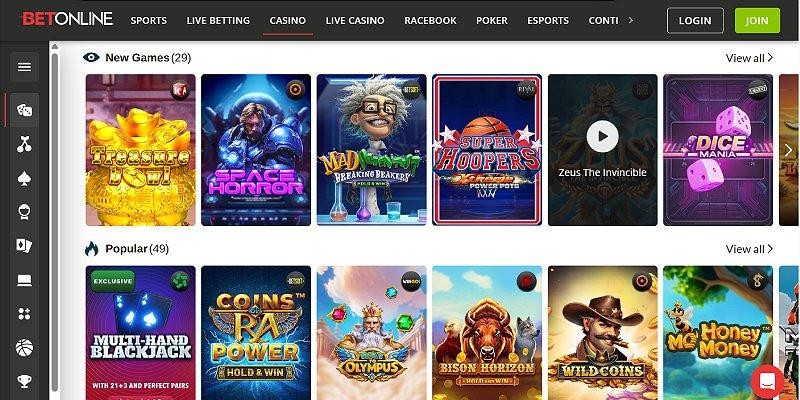
As a regular player, you’ve probably wondered, “Are these games truly fair?” It’s a natural question, especially when real money is on the line. We all want to know that the outcomes are random and that the casino isn’t rigging the odds against us. In the exciting world of online gaming, understanding how fairness is guaranteed is key to a confident and enjoyable experience. This article dives into the rigorous processes that ensure the integrity of your favourite casino games, so you can play with peace of mind.
When you’re spinning the reels on a slot or placing a bet at the virtual roulette table, you’re interacting with sophisticated technology. But how can you be sure that the Random Number Generator (RNG) is truly random, and that the results aren’t predetermined? The answer lies in a combination of independent testing, strict regulation, and transparent certification. These aren’t just buzzwords; they are the bedrock of trust in the online gambling industry. For players in the UK, this oversight is particularly robust, ensuring a high standard of player protection and game fairness. It’s all about building a secure and equitable environment for everyone who enjoys a flutter.
Let’s take a closer look at how this works. When you choose to play at an online casino, like the popular Cash Lounge, you’re engaging with a platform that has undergone significant scrutiny. These platforms don’t just launch their games and hope for the best. Instead, they work with specialised third-party organisations to test and certify every aspect of their gaming software. This ensures that everything from the shuffle of a deck of cards to the spin of a slot machine is conducted with absolute fairness. It’s a multi-layered approach designed to protect players and maintain the integrity of the games.
The Science Behind Randomness Random Number Generators Explained
At the heart of every online casino game lies the Random Number Generator, or RNG. This is a complex piece of software that determines the outcome of each spin, deal, or roll. Think of it as the digital equivalent of a perfectly shuffled deck of cards or a perfectly balanced roulette wheel. The key here is that the RNG must be truly random, meaning that each outcome is unpredictable and independent of previous results. This is crucial for ensuring fairness; if outcomes were predictable, the game would be rigged.
How do we know these RNGs are doing their job properly? They are subjected to extensive testing by independent laboratories. These labs use sophisticated statistical analysis to check for any patterns or biases in the numbers generated. They look for things like:
- Uniformity: Are all possible outcomes (e.g., all card values, all slot symbols) appearing with equal frequency over a large number of trials?
- Independence: Does the outcome of one round have any influence on the outcome of the next?
- Unpredictability: Can the sequence of numbers be predicted?
Independent Testing and Certification Bodies Who’s Checking the Checkers?
The online gambling industry is overseen by a number of reputable independent testing and certification bodies. These organisations are not affiliated with any particular casino or game developer, which ensures their impartiality. Their sole purpose is to verify that the games offered by online casinos meet strict standards for fairness, security, and responsible gaming. Some of the most well-known and respected bodies include:
eCOGRA
The eCommerce Online Gaming Regulation and Assurance (eCOGRA) is a globally recognised authority. They provide independent testing and certification for online gambling software and operations. Casinos that display the eCOGRA seal of approval have demonstrated their commitment to fair gaming, player protection, and responsible conduct. Their reports are often publicly available, offering a transparent look at a casino’s performance.
GLI (Gaming Laboratories International)
GLI is another leading independent testing laboratory. They provide a wide range of services to the gaming industry, including RNG evaluation, game testing, and compliance auditing. Their certifications are highly valued and recognised by regulators worldwide, including those in the UK. They ensure that games function as intended and that the odds are as advertised.
iTech Labs
iTech Labs is a prominent testing and certification laboratory for online gambling systems. They specialise in testing RNGs, game fairness, and platform security. Their certifications are a strong indicator that a casino’s games have been thoroughly vetted for fairness and integrity.
The Role of Regulatory Bodies in the UK
In the United Kingdom, online gambling is strictly regulated by the Gambling Commission. This body is responsible for licensing and overseeing all commercial gambling in the UK, ensuring that it is fair, crime-free, and that children and vulnerable people are protected. For players, this means that any online casino operating legally in the UK must adhere to stringent rules and regulations.
The Gambling Commission requires licensed operators to:
- Ensure that all games are fair and that the outcomes are determined by a certified RNG.
- Provide clear and accurate information about game rules, odds, and return to player (RTP) percentages.
- Implement robust security measures to protect player data and funds.
- Promote responsible gambling and provide tools for players to manage their activity.
This regulatory framework provides a vital layer of protection for UK players. It means that when you play at a UK-licensed online casino, you can be confident that the games have been independently tested and that the operator is held to high standards of fairness and player welfare.
Understanding Return to Player (RTP) Percentages
One of the most important metrics for understanding game fairness is the Return to Player (RTP) percentage. This figure represents the theoretical percentage of all wagered money that a slot machine or other casino game will pay back to players over an extended period. For example, an RTP of 96% means that, on average, for every £100 wagered on that game, £96 will be returned to players in winnings.
It’s crucial to understand that RTP is a long-term statistical average. It does not guarantee that you will win back 96% of your money on any single session. Short-term results can vary significantly due to the inherent randomness of the games. However, a higher RTP generally indicates a more favourable game for the player over time. Reputable online casinos will clearly display the RTP for their games, allowing you to make informed choices about where to play.
When evaluating games, consider these points:
- Higher RTP is generally better: Look for games with RTPs of 96% or higher.
- RTP is not a guarantee of winning: It’s a theoretical average over millions of spins.
- Game volatility also matters: Some games pay out smaller amounts more frequently (low volatility), while others pay out larger amounts less often (high volatility). RTP doesn’t tell you about this variance.
How Technology Enhances Fairness and Security
Beyond RNGs, technology plays a significant role in ensuring fairness and security in online casinos. Modern platforms employ advanced encryption methods to protect player data and financial transactions. This means that your personal information and banking details are kept safe and secure, shielded from unauthorised access.
Furthermore, game developers are constantly innovating to create more engaging and transparent gaming experiences. Features like in-game history logs allow players to review past game outcomes, providing an additional layer of accountability. The use of blockchain technology in some newer platforms also offers a revolutionary approach to provable fairness, where game outcomes can be independently verified by players themselves.
What to Look for When Choosing a Fair Online Casino
As a player, you have the power to choose where you play. By being an informed consumer, you can ensure you’re engaging with reputable and fair online casinos. Here’s a quick checklist to help you:
- Licensing: Always ensure the casino holds a valid license from a reputable authority, such as the UK Gambling Commission.
- Independent Certifications: Look for logos from eCOGRA, GLI, or iTech Labs, indicating that games have been independently tested.
- RTP Information: Check if the casino clearly displays RTP percentages for its games.
- Reputation: Read reviews and player feedback to gauge the casino’s overall standing.
- Security Measures: Verify that the website uses SSL encryption (look for the padlock icon in your browser).
Playing with Confidence
The online gambling landscape has evolved significantly, and with it, the measures taken to ensure fairness and security. Through the diligent work of independent testing agencies and the strict oversight of regulatory bodies like the UK Gambling Commission, players can enjoy their favourite casino games with a high degree of confidence. Understanding how RNGs work, what RTP percentages mean, and what certifications to look for empowers you to make informed choices. So, go ahead and enjoy the thrill of the game, knowing that fairness is a top priority in the digital casino world.